
Archaeology outdoors
Volubilis with Kids: A Walk Through the Roman Ruins
Visit Volubilis with kids using a short walk between Roman streets and mosaics. Plan shade, breaks and the drive from Meknes or Fes.
Before the gate: set a small mission
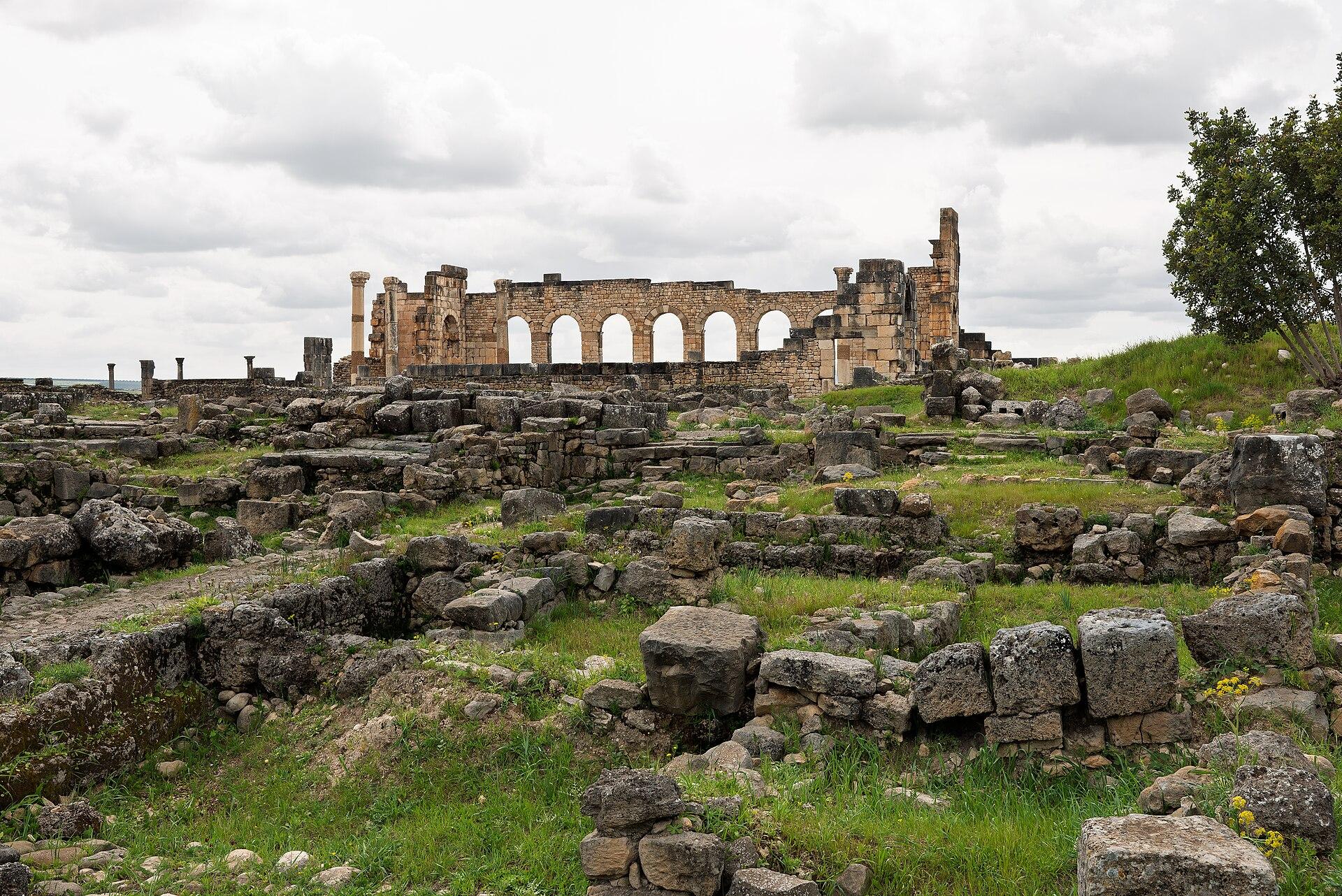
A large ruin field can be difficult for younger children to take in all at once. Give the visit a simple mission: spot one street line, find a carved detail and choose a view that helps everyone understand how much of the old settlement survives. The UNESCO description provides context, but children do not need a long history lecture before they begin walking.
The site is outdoors, so check the forecast, opening information and ticket instructions before leaving Meknes. Carry water and sun protection, wear shoes suitable for uneven surfaces and agree where the family will regroup if someone walks a little ahead. Follow barriers and directions even when a tempting photo angle is just beyond them.
The two day Meknes plan leaves a morning for the ruins.
A family field card for Volubilis
| Look for | Ask the children | Make the stop easier |
|---|---|---|
| Street lines and the site’s scale | Where might people have walked or traded? | Start with a map or orientation point before wandering. |
| Carved stone and architectural remains | Which shapes or marks can you spot? | Stay on permitted paths and do not climb on fragile remains. |
| Mosaics or decorated surfaces when accessible | What patterns or stories can you make out? | Do not touch protected artwork; access varies by site conditions. |
- Field note · 01
Field note one: read the landscape first
Volubilis sits in a fertile agricultural setting, a point UNESCO includes in its description of the site. Begin by letting children notice the open landscape around the remains. Ask what is different from walking through a city today: the space between structures, the horizon and the way the ruins sit in the surrounding land.
This first pause helps the visit feel like an exploration rather than a sequence of unrelated stones. Point out the route on a simple map or use a guide to identify the main areas. Then choose a manageable loop based on the posted path and the family’s energy.
- Field note · 02
Field note two: look for the shape of a town
UNESCO notes that substantial remains survive from buildings at Volubilis. Help children look at the arrangement of walls, spaces and routes, then imagine the everyday activities a town needs. Where might people have gathered, worked or moved goods? Treat these as observation questions, not guesses about a particular building unless the site interpretation identifies it.
Keep the conversation grounded in what everyone can see. A child may notice a change in stone, an unusual curve or a gap between walls before an adult spots it. Give them a little time to describe the detail, then check whether the guide or on-site information can explain it.
- Field note · 03
Field note three: notice patterns without touching
Decorated surfaces can hold children’s attention, especially when they are invited to describe repeated shapes, borders or colors. Ask them to find a pattern from a respectful distance and explain what they notice. The protected remains should be observed without touching, stepping on or leaning against them.
Do not promise that a particular mosaic or room will be accessible on your date. Site maintenance, crowd controls and access instructions may change. If a feature is closed, redirect the child to another visible detail rather than crossing a barrier or asking them to pose on the artwork.
- Field note · 04
Field note four: make history human-sized
A child-friendly explanation can begin with familiar questions: how did people move between rooms, where might they have worked and what clues tell us that the site was important? UNESCO records Volubilis as a former capital and a Roman outpost, so the visit can connect local history with a wider story without suggesting that every building belongs to one period.
If you are travelling with a guide, ask for an age-appropriate explanation and a few specific features to notice. A good short story can make the rest of the walk easier to understand. Leave room for questions, and accept that children may remember one image or pattern more clearly than a list of dates.
- Field note · 05
Field note five: plan the exit as carefully as the entry
Set a return time with your driver before the family starts exploring. Include a drink and rest break, and check whether there is a suitable place to pause before the next transfer. The open-air setting means shade and facilities should not be assumed at every point in the walk.
If you are continuing to another city that afternoon, work back from the drive and check-in time. For a return to Meknes, leave the rest of the day free for food or an easier walk.
On the Casablanca family loop the ruins are a stop on the way to Fes. Ask how long you will have before continuing.
Common questions
What is Volubilis?
UNESCO describes it as a Mauritanian capital founded in the third century BCE that later became an important Roman outpost. The archaeological site preserves extensive remains of its buildings.
How long does a family need at Volubilis?
There is no single visit length for every family. Allow enough time for the transfer, the outdoor walking route and breaks. Check current site guidance, then choose the number of areas your children can enjoy without rushing.
Is Volubilis suitable for a stroller?
The site is an outdoor archaeological landscape, so surfaces and access may be uneven. Ask the site or your local operator about current conditions, and consider a carrier only if it is comfortable for your child and the adults.
Can we visit Volubilis from Meknes?
The national tourism office lists the site at about 30 minutes from Meknes. Confirm the actual driving estimate for your pickup point and arrange the return journey before you begin the visit.
Do I need to book tickets in advance?
Ask the site or your guide how to buy tickets and check the opening times for your date. Confirm this before you leave Meknes.